
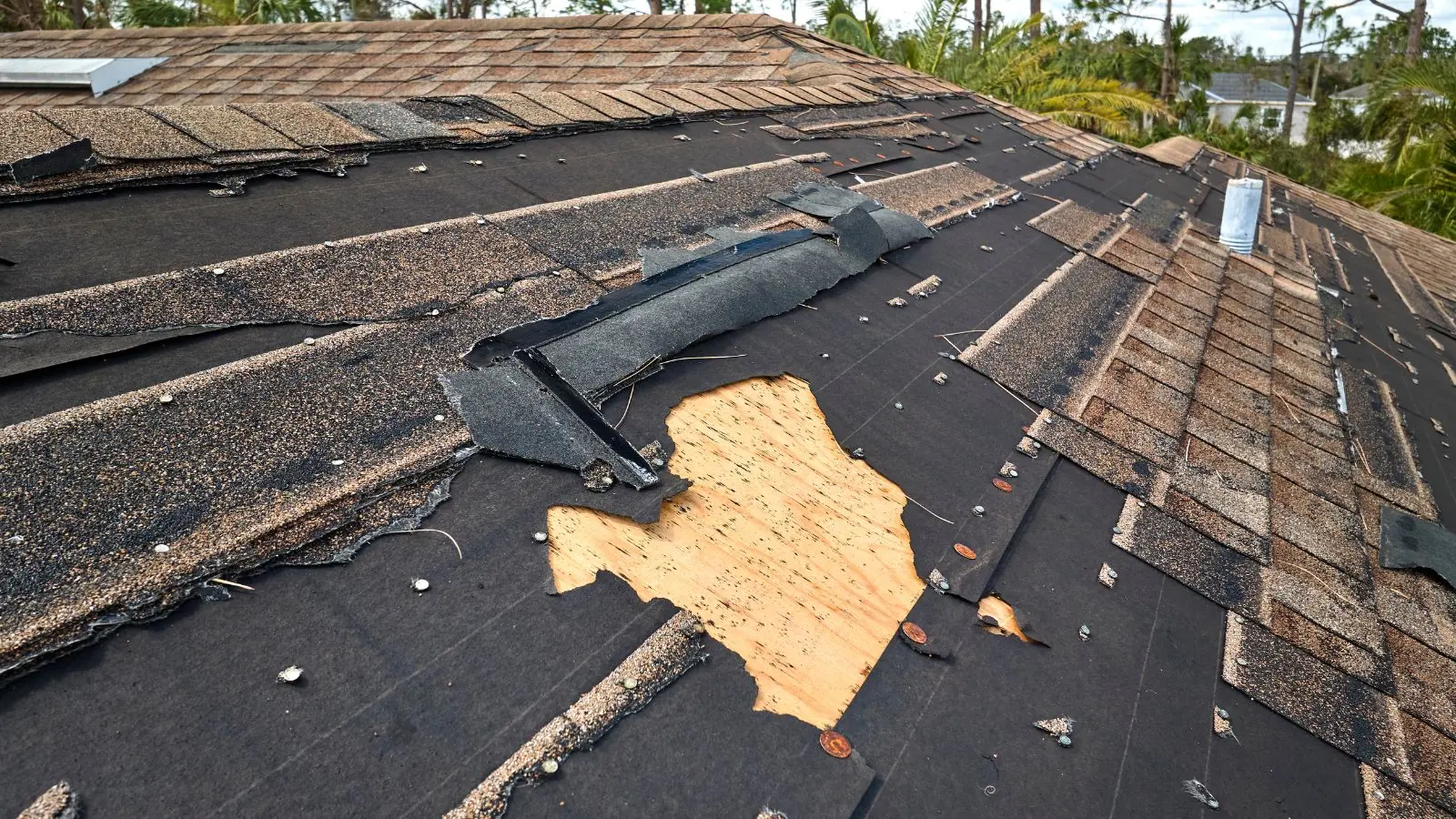
When a storm sends rain into your Colton home right now
Storm water damage is rain that gets inside a building through the envelope. That means roof flashing, shingles, window frames, stucco cracks, door thresholds and garage door seals, plus runoff that pushes under a garage door. Calls during storms are taken at any hour, and same-day visits depend on which crew is open.
If water is coming in as you read this, move valuables off the floor, put a bucket under drips and photograph the source. Do not climb on a wet roof. A roofer handles the opening, and we handle the water already inside.
Rising river or groundwater flooding is a different problem with different rules, and it belongs on the flood damage restoration page. This page covers the more common case: rain that entered through the building itself.
Why Colton roofs and walls take it hard
Long-term NOAA normals for the nearby San Bernardino weather station put yearly precipitation at 16.43 inches, led by February at 3.70, then January at 3.50 and March at 3.28. July highs average 96.0 degrees. Roofing that cooks through summer and then meets most of the year's rain in a few winter weeks is where cracked sealant tends to show itself.
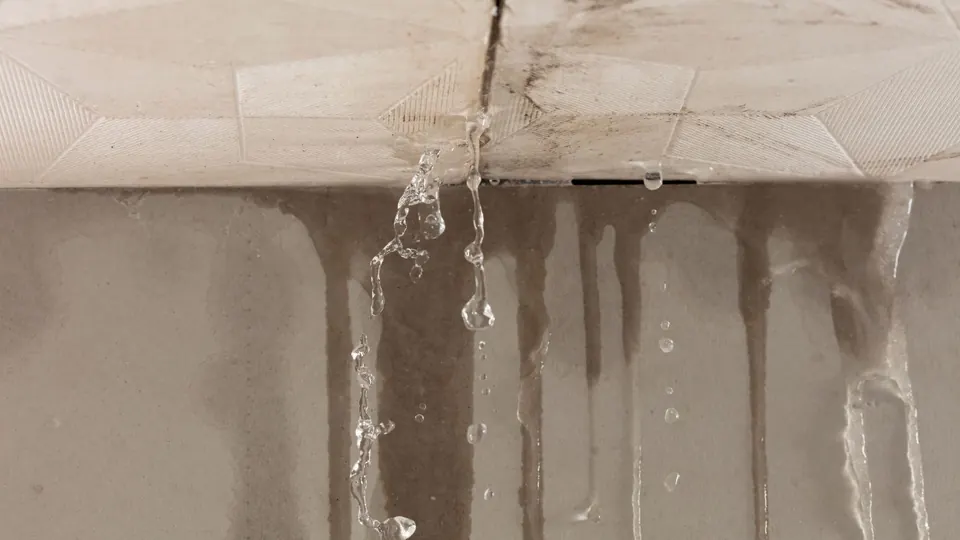
In its safety element, the city's General Plan treats the Santa Ana River corridor as the chief flood hazard and places most rain-driven flooding near the riverbank and up Reche Canyon. Drainage inlets elsewhere are sized for a storm of 100-year strength. Away from those areas, the typical storm loss starts with water sneaking through a roof, a window frame or a low garage opening.
A yearly summary from the National Weather Service in San Diego describes the 2023 season across the region: atmospheric rivers in January that sent runoff down channels that are usually dry, more storms through February and March, then Tropical Storm Hilary that August 20. These were regional events, not a Colton tally, yet they show how much water can arrive.
Where rain gets in and what you see inside
| Where rain entered | What you see inside | What crews check |
|---|---|---|
| Roof valleys, flashing, vents | Ceiling stain that grows after each rain, bubbling paint | Ceiling and attic insulation with a moisture meter and thermal imaging camera |
| Window frames and stucco cracks | Wet sill, swollen baseboard, damp wall base | Wall cavity readings below the window |
| Garage door seal and threshold | Wet slab edge, soaked boxes, water stain on the shared wall | Slab, drywall at the base and stored items |
| Clogged gutters and poor grading | Damp lower wall, musty smell along an exterior wall | Exterior wall cavities and subfloor edges |
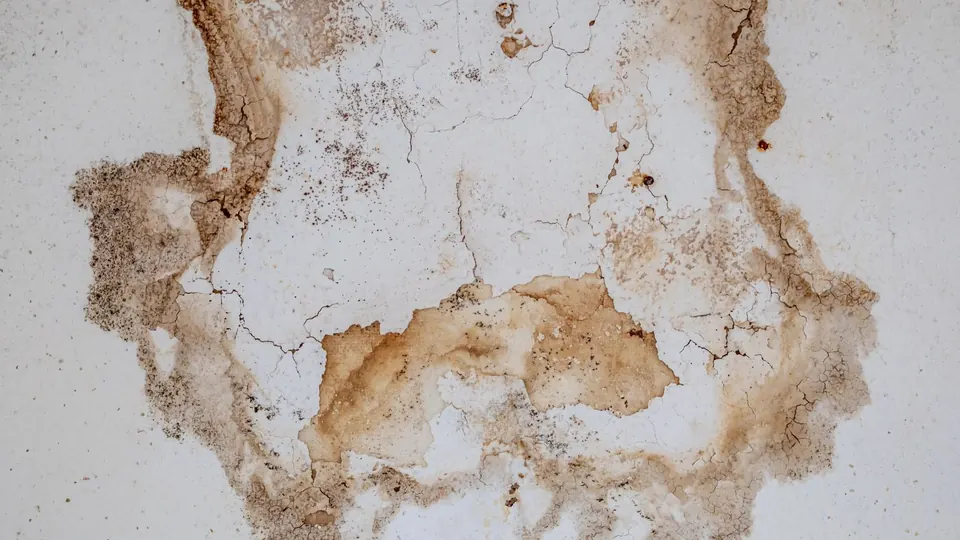
A stain on the ceiling is only the visible end. Water travels along framing and collects in insulation before it shows, so the moisture map often covers more area than the stain suggests.
Storm safety before cleanup begins
- Stay clear of any ceiling that bulges or drips steadily. Water can bring down the drywall without warning.
- Water near light fixtures, outlets or the breaker panel means leaving that room and phoning 911 or the electric utility ahead of any restoration call.
- Switch off a breaker only if you can get to it on dry ground, and never wade to reach it.
- Keep away from downed lines and anything touching them, and report them to the utility.
- Do not walk or drive through moving water. Water from the street can carry waste and debris and should be treated as contaminated.
Once the room is safe, photograph the entry point, the wet materials and the date. Those photos and a short written timeline of the storm are what an adjuster looks at first.
How storm water damage is dried and repaired
Work begins with moisture mapping, which the ANSI/IICRC S500 water damage standard (a published reference) places before any drying. Pin and pinless meters read ceilings, wall bases and the slab, while an infrared camera picks out cool, wet patches hidden behind paint. Portable extraction units pull water from carpet and low spots, and soaked insulation is removed because it holds moisture against framing.
Drying uses air movers and LGR dehumidifiers. Winter storm air is cool and damp, so opening windows does not help. Controlled dehumidification with the doors closed dries the structure faster and keeps the rest of the house from picking up moisture.
The roofer, window installer or stucco repair has to close the opening as well, or the next storm repeats the loss. We coordinate timing so drying equipment is not removed before the source is fixed. Where finished surfaces need rebuilding, water damage repair follows the drying.
When rain soaked a ceiling and the insulation above it stayed wet for days, a mold assessment may be worth arranging. Moisture sitting above a ceiling is a common place for growth to start.
What changes the cost of storm water damage
A storm loss can be one damp ceiling or several soaked rooms. The number comes after readings are taken, and you hear it before any equipment is set.
Number of entry points
One leak at a vent is a different job from rain coming through the roof and a window together.
Area and materials
Ceilings, insulation, carpet and cabinets each need different handling.
Water category
Clean roof water is simpler than street runoff that carried debris into a garage.
Drying days
Cool, damp storm weather slows drying and can extend equipment time.
Rebuild scope
Drywall, texture, paint and the exterior repair are separate from the drying.
Storm water, flood and your policy
State insurance department material explains that a standard homeowners policy leaves flood out, so it needs its own coverage, while water damage from a covered cause usually sits under the homeowners policy. Rain that enters through a storm-damaged roof is often treated differently from a roof that leaked for months, so ask your insurer how yours reads.
Tell your insurer soon, hold on to the photos and ask us for the drying logs. What your insurer decides is outside our control.
Mistakes to avoid and storm prep that helps
- Leaving a wet ceiling alone until the stain stops growing. Wet insulation above it keeps feeding the damage.
- Heating the room to dry it. Warm, wet air favors mold.
- Skipping gutter and downspout cleaning before the winter storm months.
- Letting soil or mulch pile up against stucco, which sends rain toward the wall base.
- Waiting for the roofer to finish before calling about water already inside.
Before a forecast storm, check that the garage door seal sits flat on the slab and that gutters are clear.
Where we respond after a storm
Storm days stretch crews across the area. We respond in Colton and in nearby towns, including Rialto, where drainage channels and winter storms drive many calls, and San Bernardino. When rain has already soaked ceilings and carpet, emergency water removal is the first step.
Frequently asked questions
The phones never close, stormy nights included. When a crew is free it can come out that same day. Describe where rain is getting in, which rooms feel wet, and whether any lights or outlets are involved.
Storm water damage is rain entering through the building, such as a roof or window. Flood damage is water rising from outside. They can happen in the same storm, and insurers treat them differently.
It is better to call during the storm. Wet insulation and carpet start to hold moisture right away, and early drying often saves more of the ceiling and wall.
A roofer repairs the opening. We dry and clean what the water reached. Fixing both matters, because drying a room under an open roof only leads to a second loss.
Treat it as contaminated until a crew says otherwise. Runoff can carry soil, oil and waste. Porous items it touched are usually discarded and the slab is cleaned and dried.
Your address can be checked on FEMA's flood map, and the city's Building and Safety office can help read it. Your zone affects whether a separate flood policy makes sense.
Mold needs moisture and time to take hold. Quick drying of ceilings and wall cavities cuts the odds, and an assessment makes sense if wet material stayed in place for days.