
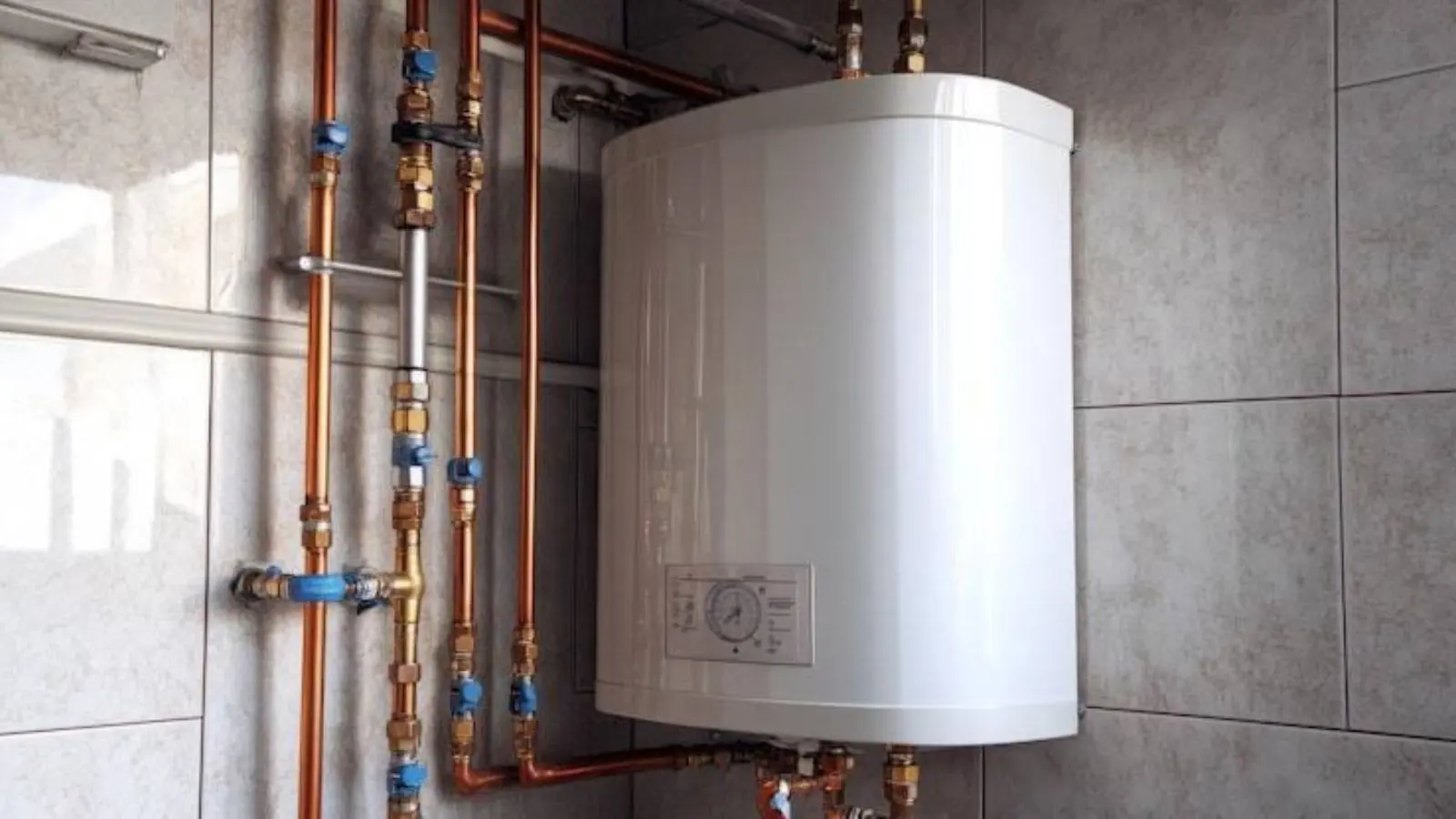
Water heater leaking right now: first steps
A leaking water heater can go from a damp patch to a flooded utility room in an afternoon. Our 24/7 line takes emergency water heater leak calls in Colton, CA at any hour, and an open crew can head out within the same day. Describe where the unit sits, what the floor is made of and whether water is still running.
The quickest way to slow a leak is the cold-water supply valve on the pipe above the tank. Turn it clockwise until it stops. The tank may keep dribbling for a while as it empties, so place a bucket under the drain and keep other people clear of the hot water.
Then work the safety steps in the section below, photograph everything, and call us once the heater is isolated. We handle the water and the damage. A licensed plumber handles the heater.
Why water heaters leak in Colton homes
Not every leak means a dead tank. Water can drip from a loose supply connector, a worn drain valve, a T&P valve discharge line that is venting pressure, or a tank whose steel liner has finally corroded through. The first three are fixable. A leak from the tank body is not, and the heater has to be replaced.
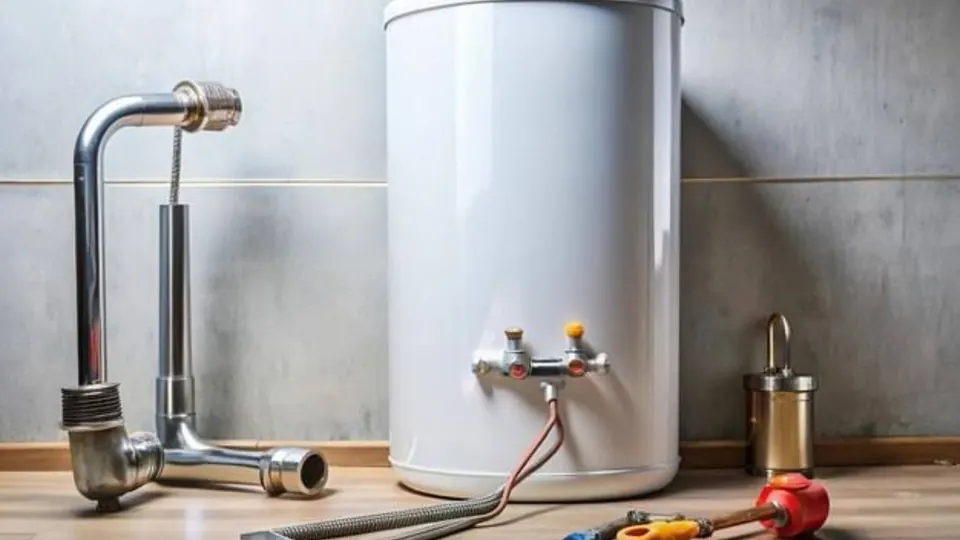
Southern California homes often place the heater in a garage, a hall closet or a utility alcove with a slab or tile floor underneath. A garage slab shrugs off a spill that would stain carpet in the next room. A closet that backs onto a bedroom wall lets water creep into drywall, baseboards and flooring out of sight.
Tankless units behave differently. They hold little water, so a failure at a connection or a condensate line is usually small, though a steady drip behind a wall can still run for weeks. Either type deserves a look whenever a damp spot appears below a heater.
Tank failure, fitting leak or valve leak: reading the signs
| Where water appears | Likely cause | What it means for cleanup |
|---|---|---|
| Pooled around the base of the tank | Tank liner or drain valve failure | Whole tank volume may be loose, so extraction and baseboard checks come first |
| Drip at the top connections | Loose or worn supply or outlet fitting | Smaller spread, often along a wall or onto the floor below |
| Water at the discharge pipe near the floor | T&P valve venting, or a pressure or thermal expansion problem | Fix the cause. The leak may be intermittent, so floors can stay damp unnoticed |
| Damp wall or stain beside a closet heater | Slow seep inside the wall cavity | Needs meter and infrared readings before anything is closed up |
| Wet slab or carpet under a tankless unit | Connection or condensate drain leak | Dry the flooring layers and check the wall behind |
A rusty streak on the tank, mineral crust on a fitting or a soft baseboard nearby are all older, slower clues. If you spot one before a failure, a plumber visit is cheaper than a cleanup.
Safety first: water, power and gas at the heater
A water heater combines hot water, electricity or gas, and a lot of weight. Take these steps in order.
- Close the cold-water supply valve above the heater. Leave the hot taps in the house shut.
- For an electric heater, cut its breaker at the panel, but only when the box stays dry and you can get to it. A wet floor around the panel means staying out and phoning the utility.
- For a gas heater, turn the control knob to off or pilot. If you smell gas, go outside and call SoCalGas or 911 before calling us.
- Keep children and pets away. Water from a failed tank or a venting T&P valve can be hot enough to scald.
- Do not relight a pilot or restore power to a heater that has been sitting in water.
Utilities come before the restoration crew
According to the city's service provider list, Colton runs its own water, sewer and electric service, and natural gas comes from SoCalGas. If you are unsure who to call for power or gas, the city and SoCalGas are the starting points, and our crew starts after the area is safe.
California bracing rules and Colton permits
California Health and Safety Code section 19211 requires new and replacement water heaters, and existing residential ones, to be braced, anchored or strapped against earthquake motion, in line with the California Plumbing Code. It applies to standard units up to 120 gallons that a preengineered strapping kit can fit. A loose heater that tips can tear its own supply lines and turn a small leak into a flood.
If a replacement heater goes in after the leak, ask the City of Colton's building department whether your installation needs a permit and an inspection. The city applies the current statewide building code with its own local amendments, so the answer depends on the specific work.
How we clean up a water heater leak
The job starts with extraction. Portable pumps and wet vacuums lift standing water from a slab or tile floor, and carpet is pulled back or lifted off its pad where water has gone under it. Water tends to travel to the lowest point and into the nearest wall, so baseboards come off early.
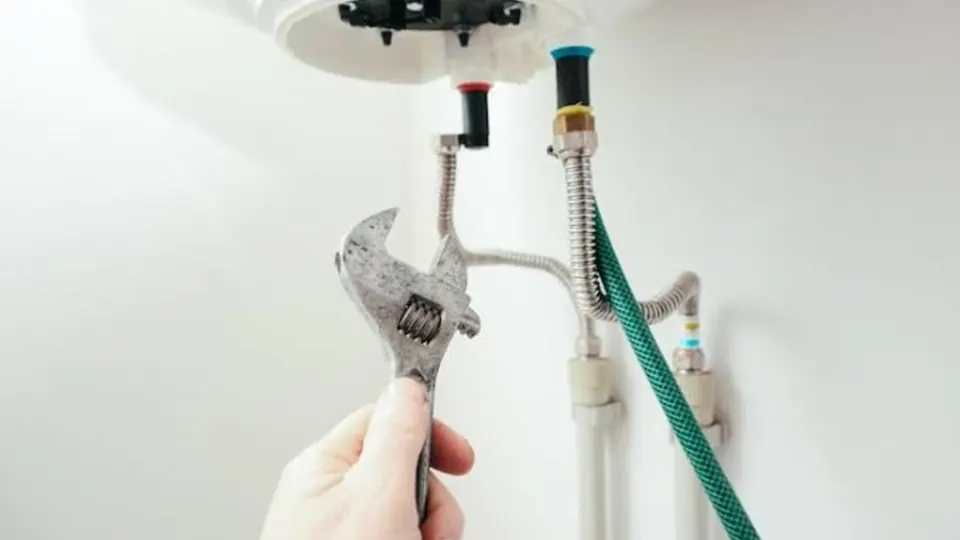
Next comes measurement. Meter readings and thermal images show how far the water wicked up the wall and across the subfloor. Air movers push dry air across floors and open wall bases, and LGR dehumidifiers pull the moisture out of the air so it does not settle back into the framing.
Crews log daily readings against ANSI/IICRC S500, a published industry standard, so the end of drying is a measured result. A clean garage slab may dry in a day or two. A closet wall backed by a bedroom takes longer, and structural drying covers how that process is run.
What changes the cost of a heater leak cleanup
Where the heater is installed
Garage slabs are quick to dry. An interior closet with carpet or wood flooring nearby adds labor and drying time.
How long it leaked
A tank that failed overnight soaks more than a fitting that dripped for an hour. Slow leaks can hide for weeks behind the unit.
Wall and baseboard damage
Wet drywall at the base of a wall may need to be cut back so the cavity can dry.
Flooring type
Tile and sealed concrete are forgiving. Laminate, engineered wood and carpet pad may have to come out.
Access around the unit
A tight closet with plumbing and a flue limits where equipment can sit and how fast a crew can work.
For a real figure, call and describe the room. You hear the scope and price first.
Insurance and water heater leaks
A tank that bursts suddenly is the kind of event many homeowners policies treat as sudden and accidental, while a slow drip from a worn fitting that went unnoticed for months often falls under maintenance or gradual damage. The heater itself is commonly treated as a wear item, so the water damage and the appliance may be handled differently.
Read the policy and put both questions to your insurer. Keep the old heater until the adjuster has seen it if you can, and save our drying readings and your photographs.
Mistakes to avoid and prevention
- Ignoring a damp floor under the heater because it dries by afternoon. A recurring puddle is the heater asking for attention.
- Draining the tank onto carpet or a shared wall. Run a hose to a drain or the yard.
- Replacing the heater and leaving the wet baseboard in place.
- Storing boxes and cardboard on the floor around the unit, where leaks hide.
A drain pan with a pipe to a safe discharge point catches small failures, and a water alarm on the floor warns you early. Flush the tank on the manufacturer's schedule, replace braided connectors when they look crusty, and check that the T&P discharge pipe is intact. A heater near its age limit should be replaced on your terms, not on a Saturday night.
Water heater leak response around Colton
Crews work from Colton to nearby neighborhoods and towns. A leaking heater in Loma Linda or Grand Terrace gets the same call process and the same drying plan. If the leak was part of a bigger supply failure, the crew will tell you whether the situation calls for emergency water removal as well.
Frequently asked questions
Nobody is turned away after dark. The line stays staffed all night, weekends included, and if a crew is open it rolls the same day. Mention whether the unit runs on electricity or gas and whether the cold supply is closed.
A gas smell or visible sparks mean the utility or 911 gets the first call.
No. Heater repair and replacement belong to a licensed plumber. We remove the water, dry the space and document the loss, and we can coordinate timing so drying equipment and the plumber do not collide.
A loose fitting or a worn valve can often be fixed. Water coming through the tank body means the liner has failed, and the heater generally has to be replaced. The capacity is printed on the tank label if you need it for your records.
A tile or concrete floor may be dry in a day or two. Water that reached a wall, carpet or wood flooring takes longer, and the readings decide when equipment comes out.
Only if it reads wet or the thermal camera shows moisture trapped behind it. Many small leaks stop at the baseboard and the wall can stay.
Not if the heater is leaking. Keep the supply valve closed until a plumber has looked at it, and avoid restoring power to the unit.